
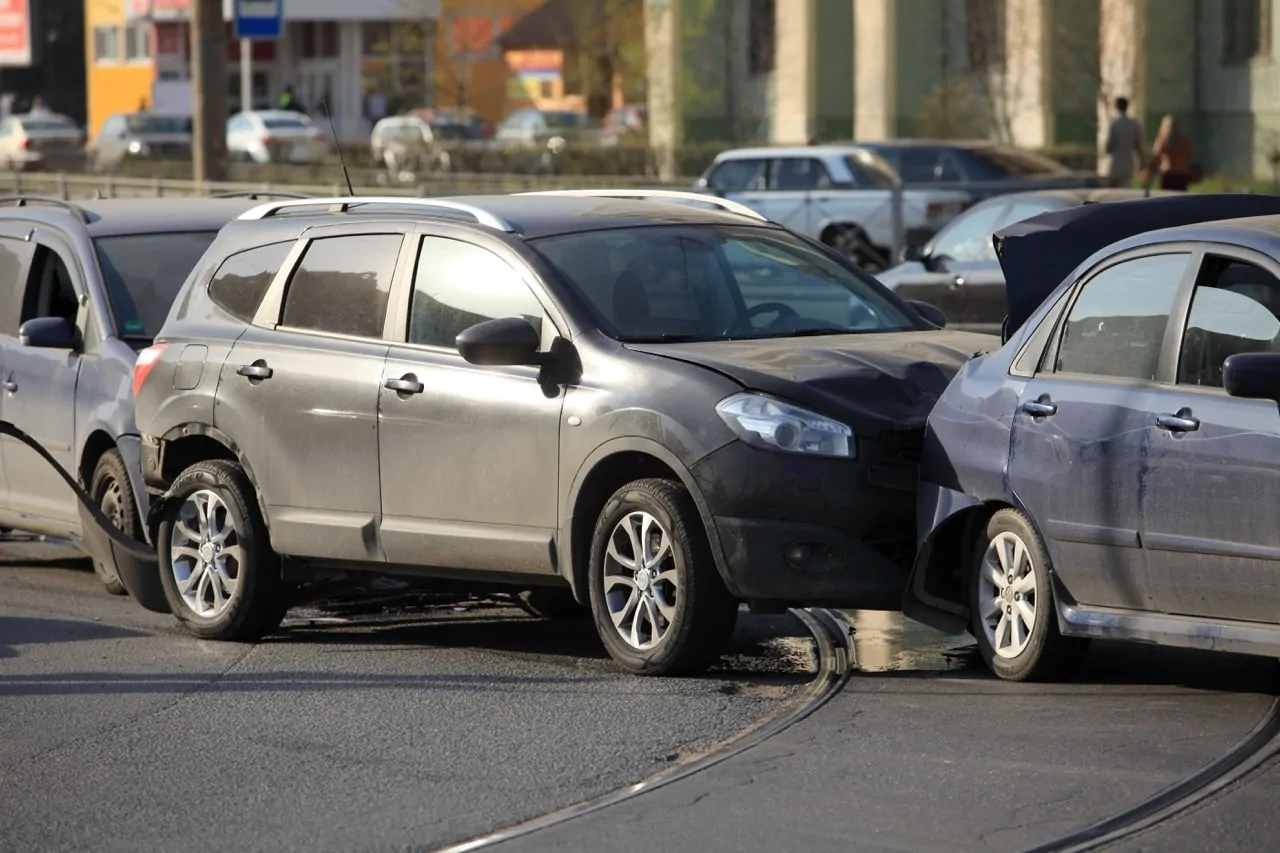
Determining Three Car Accident Fault in Florida Rear-End Crashes
Chain-reaction rear-end crashes involving three vehicles cause confusion about liability. One car stops suddenly. The second car strikes it from behind. A third vehicle then hits the second car. Everyone assumes the last driver bears complete fault. However, fault is not automatic in Florida law. Each accident requires individual investigation. Multiple drivers may share responsibility for the collision. Understanding three car accident fault requires examining all circumstances.
What caused the initial stop? Did the middle driver follow too closely? Was the rear driver distracted or speeding? Bello Law P.A. investigates multi-vehicle accidents throughout South Florida. We determine who actually caused your injuries. Insurance companies try blaming everyone except their insured drivers. Our firm protects your rights.
How Three-Car Rear-End Accidents Typically Happen
Three-car rear-end accidents occur in predictable scenarios throughout Florida. Stop-and-go traffic creates chain-reaction collision opportunities. The front car stops for legitimate reasons. The middle car brakes but gets struck from behind. That impact pushes the middle car into the front vehicle. Sudden braking without warning causes similar accidents. The front driver stops unexpectedly.
Following drivers cannot react quickly enough. Distracted driving proves especially dangerous in heavy traffic. The rear driver checks their phone momentarily. They don’t notice traffic stopping ahead. Their vehicle strikes the middle car at full speed. Impact sequence matters significantly for determining liability. Which car moved first? Did the middle car hit the front car before getting struck?
Is the Rear Driver Always at Fault in a Three-Car Accident?
The rear driver is not always at fault in three-car accidents despite common assumptions. This misconception leads to unfair blame and reduced compensation. Fault depends on facts and evidence from each specific accident. Florida law requires thorough investigation before assigning liability. The middle driver may share fault in some situations. They might have been following the front car too closely.
When struck from behind, they couldn’t avoid hitting the front vehicle. However, inadequate following distance contributed to that collision. The front driver may contribute to accidents through negligent actions. Brake checking or stopping suddenly without cause creates liability. Broken brake lights fail to warn following drivers. These rear-end accident Florida cases require careful analysis. Multiple drivers often share fault percentages.
Determining Three Car Accident Fault Under Florida Law
Three car accident fault gets determined under Florida’s negligence framework. Each driver owes others a duty of reasonable care. Breaching that duty through negligent driving creates liability. Several factors help assign fault in multi-vehicle collisions. Following distance between vehicles matters significantly. Drivers must maintain safe distances allowing for sudden stops. Following too closely shows negligence. Speed affects stopping ability and collision severity.
Excessive speed proves the driver couldn’t stop safely. Driver distraction like phone use demonstrates negligence clearly. Distracted drivers don’t notice changing traffic conditions. Sudden or unsafe stops by the front driver may create liability. Stopping without valid reason or malfunctioning brake lights contribute to crashes. Florida’s modified comparative negligence rule allows shared fault. Drivers can recover damages reduced by their fault percentage. However, drivers over 50% at fault cannot recover anything.
The Role of Comparative Negligence in Multi-Vehicle Crashes
Comparative negligence allows fault to be split among multiple drivers. Florida courts assign each driver a fault percentage. These percentages must total 100% collectively. A simple example illustrates how this works. The rear driver was texting and assigned 60% fault. The middle driver followed too closely, assigned 30% fault. The front driver brake checked unnecessarily, assigned 10% fault.
Each driver’s compensation gets reduced by their fault percentage. The middle driver with 30% fault recovers only 70% of damages. This Florida comparative negligence car accident rule affects final settlement amounts. Understanding shared responsibility helps set realistic expectations. Insurance companies argue for higher fault percentages against claimants. They want to reduce their payout obligations.
Evidence Used to Prove Fault in a Three-Car Rear-End Collision
Proving fault in three-car accidents requires substantial evidence from multiple sources. Strong evidence overcomes insurance company blame-shifting tactics. How fault is determined in a three car accident depends on available proof. Collecting evidence immediately after crashes preserves crucial information.
- Police crash reports – Officers document driver statements and observable facts. They note traffic violations and issue citations. These reports carry significant weight.
- Vehicle damage patterns – Impact locations and severity reveal collision sequence. Front-end damage shows which car struck first. Rear damage indicates being struck from behind.
- Dashcam or traffic camera footage – Video evidence proves what actually happened. It shows driver behavior before impact. Cameras don’t lie or forget details.
- Witness statements – Bystanders provide unbiased accounts. They saw the accident unfold. Multiple witnesses corroborate facts.
- Cell phone records – Phone usage proves distraction at impact time. Records show calls, texts, or app usage. This evidence proves negligence.
- Accident reconstruction – Experts analyze physical evidence scientifically. They calculate speeds and impact forces. Reconstruction proves fault conclusively.
Early evidence collection matters because it disappears quickly. Witnesses leave and forget details. Video footage gets deleted or recorded over.
Insurance Challenges in Three-Car Rear-End Accidents
Three-car accidents create significant insurance complications. Multiple insurance companies get involved simultaneously. Each company protects its insured driver. They shift blame to other drivers. Conflicting statements from drivers complicate investigations. Everyone remembers events differently. Insurance companies use conflicts to deny claims. Delays in processing claims harm victims financially.
Companies wait hoping victims accept low offers. Low settlement offers and blame shifting prove standard tactics. Insurers minimize their insured driver’s fault percentage. They maximize other drivers’ fault instead. Florida car accident insurance disputes require experienced legal representation. Victims cannot navigate these tactics alone successfully.
How a Florida Car Accident Lawyer Helps Establish Fault
A Florida car accident lawyer provides crucial assistance determining three car accident fault. Bello Law P.A. investigates crashes thoroughly using multiple evidence sources. We reconstruct accident sequences accurately. Our investigation reveals what actually happened. Handling insurer communications protects clients from manipulation. We speak with all insurance adjusters involved. They cannot pressure you into damaging statements.
Protecting clients from unfair blame preserves full compensation rights. Insurance companies try shifting fault percentages unfairly. We present evidence proving accurate liability. Preparing cases for settlement or trial pressures insurers. They know we’ll litigate if necessary. Our trial-ready reputation delivers better settlements. Most cases settle favorably without courtroom litigation.
What to Do After a Three-Car Rear-End Accident in Florida
Three-car accidents require immediate action protecting health and legal rights. Multiple drivers and insurance companies complicate matters quickly. Following proper steps preserves your claim and prevents insurance company manipulation. Knowing what to do after a multi-car accident in Florida helps ensure the best possible outcome.
- Call 911 and seek medical care – Report the accident to police immediately. Request medical evaluation even for minor pain. Some injuries worsen over time.
- Document the scene – Take photos of all three vehicles. Photograph their positions and damage. Document road conditions and traffic controls.
- Exchange information with all drivers – Get names, phone numbers, and insurance details. Collect information from all three drivers involved. Don’t discuss fault at the scene.
- Avoid recorded statements without legal advice – Insurance adjusters contact victims quickly. Never give recorded statements alone. Your words will be used against you.
- Contact an attorney quickly – Experienced lawyers preserve evidence immediately. They send preservation notices to all parties. Early involvement strengthens cases significantly.
Get Help Determining Fault in Your Multi-Car Accident
Three car accident fault determination requires thorough investigation and legal expertise. Rear drivers don’t automatically bear complete responsibility. Multiple drivers often share liability percentages. Understanding how Florida law assigns fault protects your compensation rights. Don’t let insurance companies blame you unfairly.
Legal guidance ensures accurate fault determination. Bello Law P.A. represents three-car accident victims throughout South Florida. Contact us today for a free consultation. We investigate thoroughly and fight for fair compensation.
Contact Bello Law P.A.:
📍 7340 Southwest 90th Street, Miami, FL 33156
📞 +1 (786) 885-3425
✉️ Bello@bellolawmiami.com
