
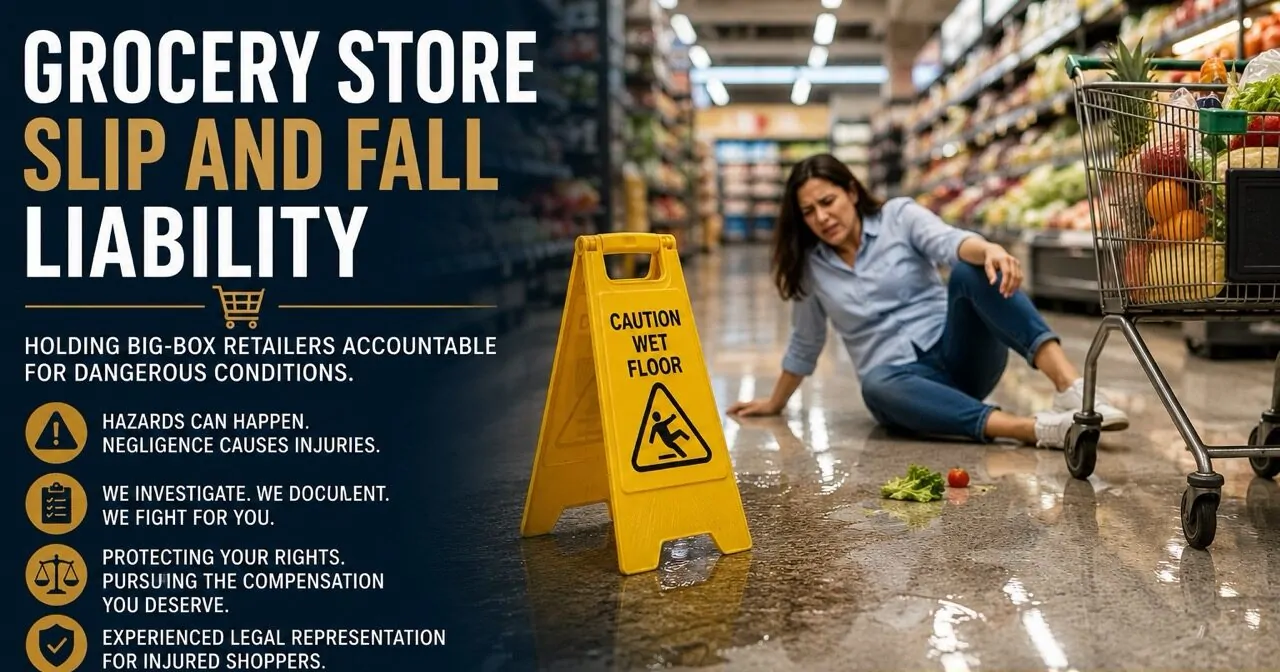
Liability for Slip and Falls in Large Grocery Retail Chains
A routine grocery trip near Kendall, Doral, Coral Way, or another busy South Florida retail corridor can become serious when a hidden hazard causes a fall. Large supermarkets often have constant customer movement, active stocking, produce displays, refrigerated sections, checkout lines, and high-traffic entrances. These conditions can create spilled liquids, dropped food, loose mats, uneven flooring, or recently cleaned areas that customers may not notice in time. Grocery store slip and fall liability focuses on whether the retailer acted reasonably to prevent, inspect, correct, or warn about dangerous conditions.
Bello Law P.A. reviews how the fall happened, where the hazard appeared, how long it may have existed, and whether employees had a reasonable opportunity to address it. A slip and fall lawyer serving Kendale Lakes can evaluate how store operations, safety procedures, and available evidence may affect a grocery-related injury claim.
Why Big-Box Retailers Face Unique Liability Risks
Large grocery retailers face unique liability risks because their store operations involve constant movement, frequent restocking, and high customer volume. Produce sections may have dropped fruit or moisture on the floor, freezer aisles may collect condensation, and entryways may become slippery during rainy weather.
Self-service areas, crowded checkout lanes, and wide aisles can also make it harder for employees to identify hazards immediately. Big box retailer liability slip and fall cases often depend on whether the store followed reasonable inspection routines, cleaned hazards promptly, placed clear warning signs, and trained employees to respond to unsafe conditions.
Bello Law P.A. evaluates whether the retailer’s safety practices match the risk level created by its daily operations. A Doral slip and fall injury attorney can review surveillance footage, cleaning logs, employee reports, and witness statements to determine how grocery store slip and fall liability may apply.
Common Hazards That Lead to Falls in Grocery Stores
Supermarkets can create fall risks because customers, employees, carts, displays, and restocking activity move through the same areas throughout the day. Aisles, entrances, produce sections, freezer areas, and checkout lanes may develop hazards quickly if staff do not inspect and correct unsafe conditions. Bello Law P.A. reviews these details when evaluating grocery store slip and fall liability. A Slip and Fall Lawyer in Tamiami can help assess whether the store responded reasonably to known or visible hazards.
| Common Hazard | How It Can Lead to a Fall |
|---|---|
| Wet floors from spills or cleaning | Spilled drinks, leaking coolers, rainwater, or recently mopped floors can make surfaces slippery when stores fail to place warning signs or clean the area quickly. |
| Loose or damaged flooring | Cracked tiles, torn mats, uneven flooring, or lifted floor edges can catch a shopper’s foot and cause a sudden trip or loss of balance. |
| Items dropped in aisles | Fallen produce, packaging, boxes, or merchandise can create unexpected obstacles, especially in crowded aisles where shoppers may not see items on the floor. |
| Poor lighting in certain sections | Dim lighting can make hazards harder to notice in entryways, freezer aisles, storage-adjacent areas, parking zones, or less visible corners of the store. |
| Obstructed walkways | Carts, displays, stocking equipment, boxes, or misplaced products can narrow walking paths and increase the risk of a fall during normal shopping. |
The Duty of Care Owed by Grocery Stores
Grocery stores owe customers a duty of care because shoppers generally enter the property for business purposes. Under this responsibility, retailers must take reasonable steps to keep the premises safe, inspect areas where hazards commonly appear, repair dangerous conditions, and warn customers about risks that cannot be fixed immediately.
In grocery store slip and fall liability cases, this duty may involve checking aisles regularly, monitoring produce and freezer sections, placing cones near wet floors, and responding quickly when employees learn about a spill or obstruction. Failure to follow these responsibilities may support a premises liability grocery store accident claim.
Bello Law P.A. reviews whether the store had actual or constructive notice of the hazard and whether its response matched reasonable safety expectations. A Slip and Fall Lawyer in Fontainebleau can help assess whether the store’s conduct contributed to the fall.
Proving Negligence in a Grocery Store Slip and Fall
Establishing negligence requires connecting the hazard, the store’s knowledge, and the resulting injury through clear evidence. Bello Law P.A. reviews each element carefully when evaluating grocery store slip and fall liability. A Slip and Fall Attorney in Miami Beach can help explain how these factors apply in a claim.
- Existence of a dangerous condition: Evidence must show a hazardous condition existed at the time of the fall, such as a spill, uneven surface, loose mat, or poor lighting that created a risk for customers.
- Notice of the hazard: The claim must show the store knew or should have known about the hazard through employee awareness, customer complaints, inspection routines, or the length of time the condition remained present.
- Failure to correct the issue: Evidence should show the store failed to clean, repair, block, or warn about the hazard within a reasonable time, even after having notice or enough opportunity to address the unsafe condition.
- Injury caused by the hazard: Medical records, reports, and documentation must connect the fall directly to the hazardous condition, showing that the unsafe environment caused the injury and resulting damages claimed.
How Notice Determines Store Responsibility
In grocery store slip and fall cases, one of the most important legal questions involves notice. A store may only be responsible for a hazardous condition if it knew about the danger or should have known about it through reasonable care. This concept often appears as actual notice and constructive notice. Actual notice means store employees or management had direct knowledge of the hazard, such as seeing a spill or receiving a customer complaint.
Constructive notice applies when the hazard existed long enough that the store should have discovered it through routine inspections, cleaning schedules, or employee observation. For example, a spill that remains on the floor for an extended period without cleanup may suggest that the store failed to monitor the area properly. Courts often review maintenance logs, inspection routines, employee actions, and surveillance footage to evaluate whether the store acted reasonably.
According to the Florida Department of Health, falls remain a leading cause of injury, which highlights the importance of timely hazard management. Bello Law P.A. applies these notice principles carefully when reviewing grocery store slip and fall liability, and a Slip and Fall Lawyer in Fort Lauderdale can help assess how notice may affect a claim.
Evidence That Supports a Slip and Fall Claim
Strong evidence can help show how the fall happened, what hazard existed, and whether the store acted reasonably. Bello Law P.A. reviews documentation carefully in grocery store slip and fall liability cases. A Slip and Fall Lawyer in Miami Gardens can help evaluate how each record supports the claim.
Clear Photos of the Unsafe Condition
Photographs can preserve the condition before store employees clean, repair, or change the area. Clear images may show spilled liquids, dropped produce, loose mats, uneven flooring, poor lighting, or missing warning signs. Strong photos should include close views of the hazard and wider shots that show the surrounding aisle, entrance, display, or checkout area.
Store Surveillance Footage
Surveillance footage can show when the hazard appeared, how long it remained, and whether employees walked past it before the fall. Video may also show the customer’s movement, the store’s response, and whether warning signs were present. This evidence can help connect the incident to store negligence, slip, and fall issues.
Written Incident Reports
Incident reports create a formal record that links the fall to the grocery store location. These reports may include the date, time, exact aisle, hazard description, employee names, witness details, injury notes, and immediate store response. A complete report can support grocery store slip and fall liability by confirming that the business received notice.
Statements From Witnesses
Witness statements can provide independent support when the store disputes what happened. A shopper, employee, or nearby bystander may describe the hazard, explain how long it existed, confirm missing warning signs, or describe the fall itself. These accounts can help clarify disputed facts and strengthen the injured person’s version of events.
Cleaning and Maintenance Records
Cleaning and maintenance records can show whether the grocery store followed reasonable inspection routines. These records may include sweep logs, repair requests, work orders, inspection notes, employee assignments, or prior complaints about the same area. If records show delays or missing inspections, they may support a claim involving store negligence slip and fall.
Challenges in Claims Against Big-Box Retailers
Claims against large grocery chains can become challenging because major retailers often have internal reporting systems, insurance teams, corporate policies, and legal resources ready to respond quickly. A store may dispute whether the hazard existed, argue that the condition was open and obvious, or claim that employees had no reasonable time to discover it.
Some cases also involve delays in claim processing, incomplete incident reports, missing surveillance footage, or low settlement offers that do not reflect the full impact of the injury. Grocery store slip and fall liability claims require strong documentation to address these arguments.
Bello Law P.A. reviews photos, witness information, medical records, store procedures, cleaning schedules, and available video evidence to strengthen the claim. A Slip and Fall Lawyer in Hialeah can help identify the evidence needed to challenge defense arguments and clarify how the fall occurred.
How Compensation Is Calculated
Compensation in grocery store slip and fall liability cases depends on the injury, treatment needs, financial losses, and long-term impact of the accident. Medical expenses may include emergency care, diagnostic imaging, specialist visits, physical therapy, medication, follow-up appointments, or future procedures.
Lost income may also matter when the injured person misses work or cannot return to the same duties. Pain, reduced mobility, daily limitations, and future care needs can also influence how damages are evaluated. Each claim requires a detailed review because a minor-looking fall can still lead to serious consequences.
Bello Law P.A. examines medical documentation, employment records, treatment plans, and evidence of how the injury changed normal life. A Slip and Fall Lawyer in Homestead can help explain how these factors may affect compensation in a supermarket slip and fall claim.
Long-Term Impact of Slip and Fall Injuries
Slip and fall injuries in grocery stores can create long-term problems that continue well beyond the date of the accident. A customer may suffer fractures, back injuries, knee damage, shoulder injuries, head trauma, or soft tissue injuries that require ongoing treatment. Some individuals experience chronic pain, reduced balance, limited mobility, difficulty working, or trouble completing daily tasks.
These long-term effects matter when evaluating grocery store slip and fall liability because the claim should reflect more than the immediate medical bill. Supermarket slip and fall injuries often require documentation that shows treatment history, future care needs, work restrictions, and the broader effect on the injured person’s life.
Bello Law P.A. considers both current and future consequences when reviewing these cases. A Slip and Fall Lawyer in Kendale Lakes can help assess how long-term medical needs and daily limitations may influence the claim.
FAQs about Grocery Store Slip and Fall Liability
- What qualifies as a grocery store hazard?
A grocery store hazard can include spills, wet floors, loose mats, broken tiles, poor lighting, fallen merchandise, or blocked aisles that create injury risks. - Do I need proof of the hazard?
Yes. Photos, witness statements, incident reports, medical records, and surveillance footage can help show the hazard existed and caused your fall. - What is constructive notice?
Constructive notice means the hazard existed long enough that store staff should have discovered and fixed it through reasonable inspection. - Can I still file a claim if I slipped on water?
Yes. A claim may exist if the store knew or should have known about the water and failed to clean it or warn customers. - What evidence is most important?
Photos, video footage, witness contact information, incident reports, maintenance logs, medical records, and proof of lost income can support your claim. - How soon should I report the fall?
Report the fall immediately to store management so the incident becomes documented before the hazard changes, disappears, or gets cleaned. - Can surveillance footage help?
Yes. Surveillance footage may show the hazard, how long it existed, employee response, and exactly how the fall happened. - What if there were no warning signs?
Missing warning signs may support a claim if the store knew about the hazard or should have discovered it through reasonable inspection. - How are damages calculated?
Damages may include medical bills, lost income, future care, pain, mobility problems, and other losses connected to the fall. - When should I contact a lawyer?
Contact a lawyer as early as possible so evidence can be preserved, deadlines reviewed, and insurance communication handled properly.
Take Action After a Grocery Store Slip and Fall with Bello Law P.A.
Understanding grocery store slip and fall liability helps individuals recognize when a retailer may be responsible for an unsafe condition. Identifying hazards, preserving evidence, and acting quickly can make a meaningful difference in how a claim develops and what options may be available. Clear documentation, timely reporting, and proper medical care can all support a stronger case after a fall. Bello Law P.A. provides structured legal guidance to help individuals evaluate their options and move forward with clarity. If you need help reviewing your situation, contact us to discuss your next steps.
Our Location
7340 Southwest 90th Street
Miami, FL 33156
Phone Number
+1 (786) 885-3425
Email Us
Bello@bellolawmiami.com
Taking timely action can help protect your rights and ensure that your claim reflects the full impact of the incident.
