
Can Social Media Posts Affect a Wrongful Death Lawsuit?
Social media has become part of everyday life, especially during difficult times when friends and family want to share updates and receive support. However, after a wrongful death, what is posted online can sometimes become evidence in a legal case. Even well-intentioned posts may be reviewed by insurance companies, defense attorneys, or investigators looking for information that could affect a claim.
In this blog, you will get to know how social media content is used in wrongful death cases, which types of posts create legal problems, and what your family can do to protect your claim from the start.
How Can Social Media Be Used in a Wrongful Death Lawsuit?
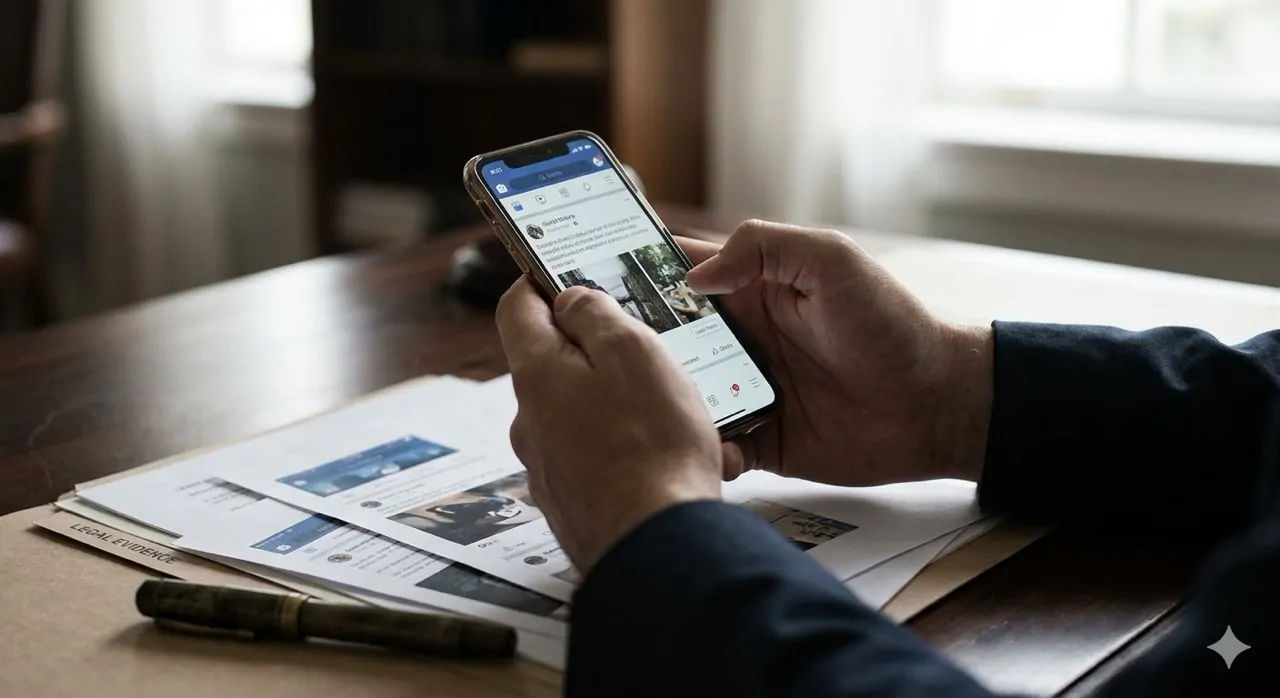
Social media can play a significant role in a wrongful death lawsuit. Public posts may be reviewed during litigation and used as evidence. Photos, videos, comments, and location check-ins can provide information about the events involved. In some cases, defense attorneys examine online content to challenge certain claims or question the accuracy of statements.
For example, a post may be interpreted differently than intended when viewed without context. Additionally, comments from friends or family members may attract attention during an investigation. As digital communication continues to grow, digital evidence has become an increasingly important part of many wrongful death claims and legal proceedings.
What Types of Social Media Posts Can Create Problems?
Not all posts carry the same level of risk, but certain types of content draw the sharpest scrutiny from defense attorneys and insurers. Here is a closer look at the specific categories of online activity that most commonly create complications in a social media wrongful death case.
Posts Discussing the Accident or Incident
Statements made online about the accident can directly conflict with physical evidence or official reports. Speculation about what happened or who was responsible creates serious complications that defense teams will exploit. Case details should be discussed with legal counsel first and never shared on any public platform.
Photos and Videos Shared After the Loss
Images posted after a loss can easily be taken out of context by opposing legal teams. Defense attorneys may use photos or videos to argue that emotional damages are overstated or inconsistent with what is shown online. The context behind any image is almost never visible to someone viewing it without knowing the full situation.
Comments Made by Friends and Family
Third-party comments from well-meaning friends and family members can also become relevant during litigation. Public discussions about the case can unintentionally spread inaccurate or incomplete information. Family members should understand the risks before engaging with any posts related to the incident online.
Deleted Posts and Messages
Removing content after litigation begins can raise serious legal concerns about evidence tampering or spoliation. Courts may view deletion negatively, particularly when the content was relevant to the case. Families should follow their attorney’s specific guidance before deleting, archiving, or altering any online content after a claim is filed.
Can Private Social Media Accounts Still Be Investigated?
Many families assume that switching accounts to private protects them from legal scrutiny. That assumption is not always accurate. Courts can grant opposing counsel access to private account content when it is deemed relevant to an ongoing case. Screenshots taken by others and shared content can circulate far beyond the audience you originally intended to reach.
Private messages have also become relevant in certain legal proceedings depending on the nature of the case and what those messages contain. Privacy settings reduce visibility but do not create a legal shield against discovery in a wrongful death lawsuit.
Why Do Insurance Companies Review Social Media Activity?
Insurance companies assign investigators to monitor the online activity of claimants and their families shortly after a wrongful death claim is filed. Their goal is to find content that weakens or contradicts the claim. Here is what they specifically look for during those reviews:
- Contradictory statements that conflict with the facts presented in the legal claim
- Discussions about the incident that reveal details outside of official legal channels
- Photos that appear inconsistent with the emotional or physical damages being claimed
- Location tags and check-ins that could be used to challenge timelines or activity levels
- Statements made by witnesses that differ from what those same witnesses may say in court
- Public interactions involving the case that could undermine the credibility of the family or their legal position
Best Practices for Social Media During a Wrongful Death Case
Managing your online presence carefully during a wrongful death case is one of the most practical steps your family can take to protect your claim. Here are the guidelines your legal team will most likely recommend from day one:
- Avoid discussing any case details online regardless of how general or harmless they may seem
- Do not speculate about fault or liability in any post, comment, or message on any platform
- Refrain from posting anything connected to the incident including photos, timelines, or updates
- Review your privacy settings on all platforms and limit who can see your existing content
- Ask friends and family to avoid discussing the case publicly and explain why it matters legally
- Consult your attorney before making any public statement related to the case or the loss
How Digital Evidence Can Strengthen or Weaken a Claim
Social media is not automatically harmful to a wrongful death case. In fact, certain posts can support important facts when they are properly interpreted and presented. A photo with a timestamp can help establish a timeline. A message can confirm a relationship or a prior communication relevant to the case. The critical factor is context.
Digital evidence means very different things depending on how it is framed, who presents it, and what surrounding facts exist. A skilled legal team knows how to evaluate online content on both sides and use it strategically to support your family’s position rather than undermine it.
How Bello Law P.A. Helps Protect Wrongful Death Claims
Bello Law P.A. guides families through every stage of the wrongful death legal process with a focus on protecting the integrity of their claim. We advise clients early on evidence preservation strategies that cover both physical and digital content. Our team investigates all available evidence, including online activity that may support your family’s position.
We identify and address potential vulnerabilities in a claim before opposing counsel has the chance to exploit them. Furthermore, we prepare every case as if it will go to trial so that our clients are never caught unprepared. Protecting families from common and costly mistakes is a core part of how we build and manage every wrongful death case we handle.
Protect Your Family’s Rights While Pursuing Justice
Social media activity can influence the outcome of a wrongful death claim in ways that many families do not anticipate. Even innocent and well-meaning posts may be examined closely during litigation. Families should exercise real caution about what is shared online while a case is active. Professional legal guidance helps avoid the mistakes that quietly damage claims before they ever reach a courtroom.
If your family is pursuing a wrongful death claim in Florida, Bello Law P.A. can help you navigate the legal process, preserve critical evidence, and protect your rights every step of the way.
Our Location
7340 Southwest 90th Street, Miami, FL 33156
Phone Number
+1 (786) 885-3425
Email Us
Bello@bellolawmiami.com
